
Have you ever opened your office supply cabinet and found boxes of unopened OEM ink cartridges stacked in the corner? Chances are you switched printers, upgraded your equipment, or simply over-ordered supplies that never got used. Whatever the reason, those unused OEM Printing supplies sitting on your shelf represent more than just clutter, they’re actually worth cold, hard cash.
Yes, you read that right. Those expensive printing supplies gathering dust can be converted into money. Let’s walk through exactly how to turn your surplus OEM printing supplies into cash, whether you’re a business looking to recoup costs or an individual with leftover cartridges from a printer you no longer own.
Why Your OEM Printing Supplies Have Value?
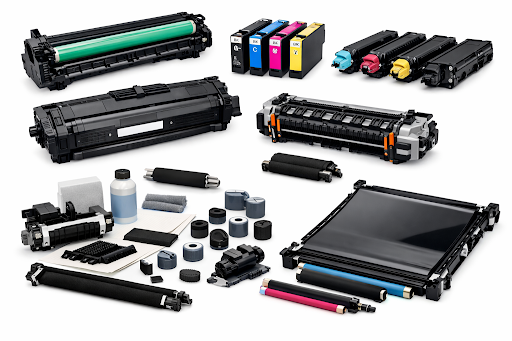
First, let’s talk about why anyone would want to buy your used supplies. Original Equipment Manufacturer products (that’s what OEM stands for) are the genuine articles made by the printer manufacturers themselves. Unlike generic or remanufactured alternatives, OEM ink cartridges and toner supplies are known for their reliability and quality.
Here’s the thing: these supplies are expensive. Really expensive. A single set of color toner cartridges can easily cost hundreds of dollars. So when businesses and individuals can purchase unopened, unexpired OEM products at a discount, they jump at the opportunity. This creates a thriving secondary market for surplus printing supplies.
What Makes Your Supplies Sellable?
Before you start counting your cash, you need to understand what makes your printing supplies valuable to buyers. Not every cartridge collecting dust is going to fetch top dollar.
The most important factor is condition. Your OEM ink cartridge needs to be unopened and sealed in its original packaging. Buyers want assurance that the product hasn’t been tampered with or exposed to conditions that might affect performance. If the box looks like it went through a war zone, you might have trouble selling it.
Expiration dates matter too. Yes, printer supplies expire. The ink or toner can dry out or degrade over time, so check those dates. Products that are close to expiring or already past their prime won’t command much value. However, if you’ve got supplies with plenty of shelf life remaining, you’re in good shape.
Compatibility is another key consideration. Popular printer models from major brands like HP, Canon, Epson, and Brother tend to have the highest resale value because there’s more demand. If you’ve got toner supplies for an obscure or discontinued printer model, selling might be trickier, though not impossible.
Where to Sell Your OEM Printing Supplies?
Now for the exciting part: where can you actually turn these supplies into money?
Buyback programs offer a convenient option and can be your next best friend. Several companies (think Surplus Toner Buyer) specialize in purchasing surplus office supplies, including OEM ink cartridges and toner. These businesses make the process incredibly simple, you provide information about what you have, make an offer, and if mutually accepted, get on shipping them off. You won’t get retail prices, but you also won’t deal with the hassle of listing items individually or managing multiple buyers.
Another option is online marketplaces such as Platforms like eBay, Amazon, and Facebook Marketplace give you access to millions of potential buyers. Just make sure to take clear photos, write accurate descriptions, and price competitively based on what similar items are selling for.
Local office supply stores sometimes purchase or accept trade-ins of unopened supplies. It’s worth calling around to see if any stores in your area run such programs. While this might not be as common as online options, the advantage is immediate payment without shipping hassles.
Don’t overlook specialty recycling and resale companies that focus specifically on printer supplies. These organizations have established networks and can often process bulk quantities if you’re a business with substantial surplus inventory.
Maximizing Your Return
Want to squeeze every possible dollar from your surplus printing supplies? Here are some insider tips.
Sell in bundles when possible. If you have multiple cartridges for the same printer model, grouping them together often attracts buyers looking to stock up, and you can charge a slight premium for the convenience.
Timing matters more than you might think. Back-to-school season and the beginning of the fiscal year for businesses create increased demand for office supplies. List your toner supplies during these peak times, and you’re likely to see better prices.
Be honest and detailed in your listings. Specify the exact model numbers, expiration dates, and condition. Clear communication builds trust and reduces the likelihood of returns or disputes.
The Environmental Bonus
Here’s something that feels good beyond the financial benefit: selling your unused OEM printing supplies is an environmentally responsible choice. Manufacturing new cartridges requires significant resources and energy. When you sell your surplus supplies to someone who needs them, you’re preventing perfectly good products from ending up in a landfill while reducing the demand for new manufacturing.
Final Thoughts
Those boxes of OEM ink cartridges and toner supplies taking up space in your storage area represent an untapped resource. Whether you’re looking to recoup a few hundred dollars or clear out substantial business inventory worth thousands, there’s a market ready to buy what you’re selling.
The process is straightforward: check your supplies for condition and expiration dates, choose surplus toner buyer, create compelling listings, quote your asking price and watch the stock transform into cash. It beats letting valuable products go to waste, and your wallet will thank you for the effort.
Don’t wait for it. Sign up here today and get going to turn your printing surplus into cash today!